From Concept to Completion: What If Your Contractor Was Involved for the Whole Journey?
7 Aug 2026
The Industry
As landlords and developers increasingly look to retrofit rather than redevelop, appointing a Design & Build partner during the concept stages of a project can create significant advantages. Using our recent project at Bow Bells as an example, we explore how this approach can improve commercial certainty, support decarbonisation and maximise the long-term value of an existing asset.
Why Timing Matters
Retrofitting an asset rarely follows a straight line. Specifications evolve, sustainability targets shift and occupier requirements change. By the time work starts on site, the decisions that most influence cost, schedule and buildability have already been made. The challenge is that many of those decisions are made long before a contractor is appointed.
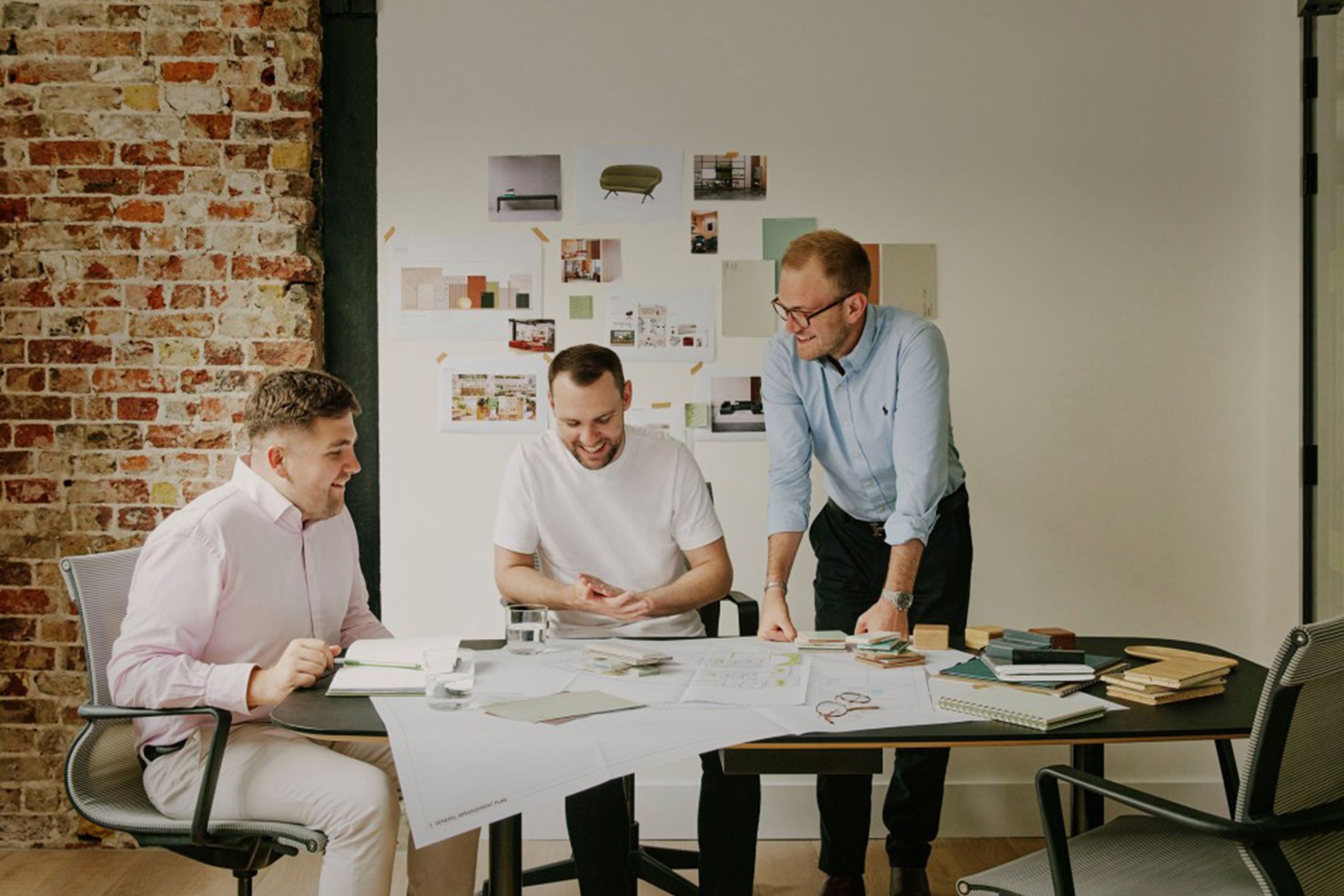
A change to the facade, building services or finishes is rarely just a design decision. It affects procurement lead times, site logistics and budget. When a contractor is involved from the start, those consequences are understood before they are locked in. Procurement strategy, coordination and cost planning can all be stress-tested as the design evolves rather than priced once it is done.
The hesitation around early involvement is usually framed as a cost question. In reality it is a procurement question: at what point does contractor input generate the most value? The answer is almost always earlier than most project teams think. The cost of that input at concept stage is a fraction of the cost of abortive work, reactive value engineering or delay later in the job.
"At Fabrix, we work with contractors of all scales, from Tier One firms to specialist Design & Build partners, selecting the right delivery model for each scheme. Early contractor involvement can add enormous value for the right type of project. Bringing construction expertise into the design process from the outset helps align commercial, technical and programme decisions, reducing risk while giving the whole team greater confidence as the project develops. Bow Bells is a great example of what that collaborative approach can achieve."
Paul Hicks, Development Director, Fabrix
Bow Bells: What It Looks Like in Practice
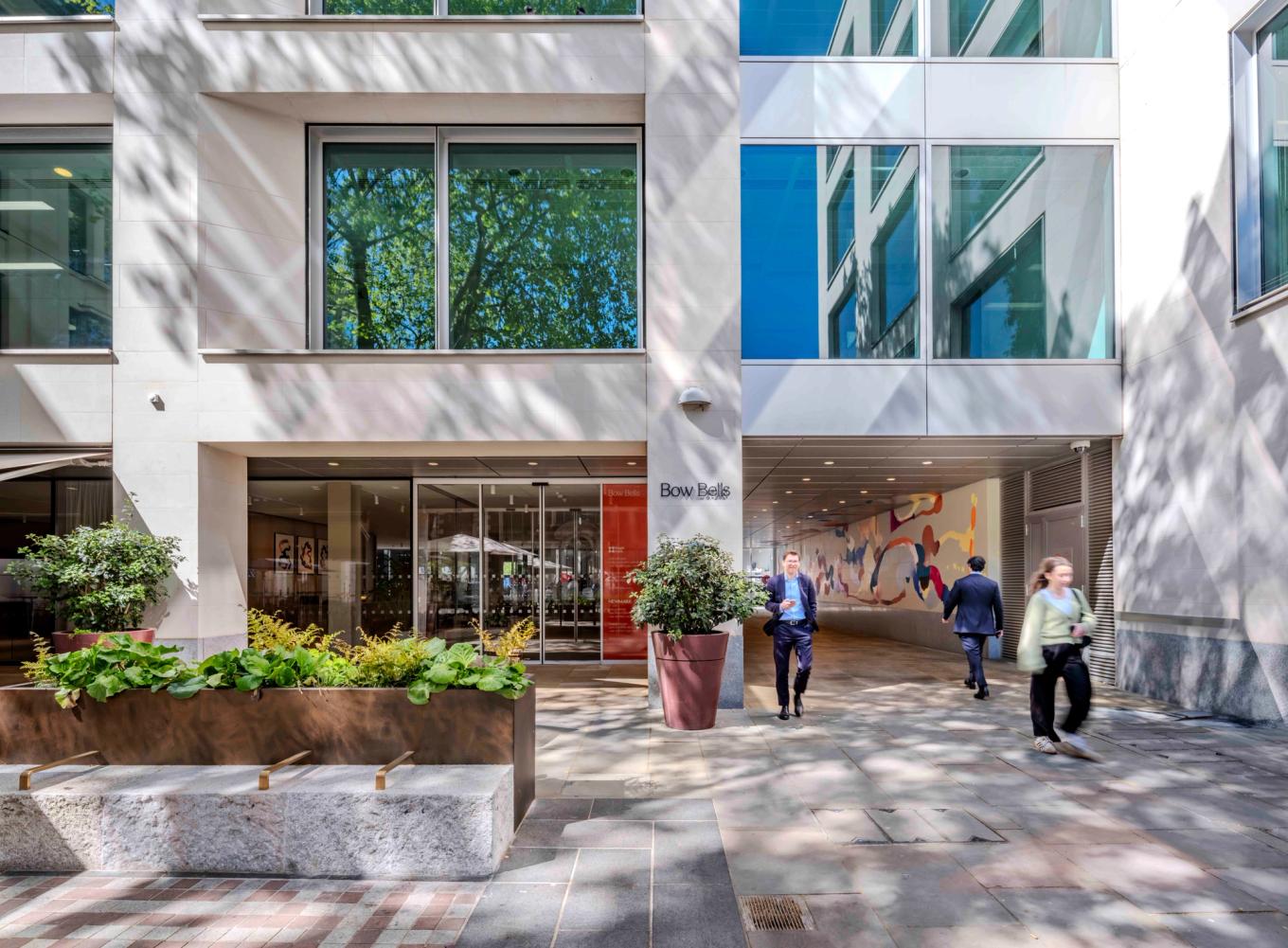
Bow Bells shows what this looks like when it works. A 145,000 sq ft office retrofit in the City of London, delivered for Fabrix and Fubon Life Insurance. We were appointed at Stage 2 and remained embedded in the project team throughout design development, delivering the works on programme over a seven-month construction period following a two-month PCSA and pre-construction phase.
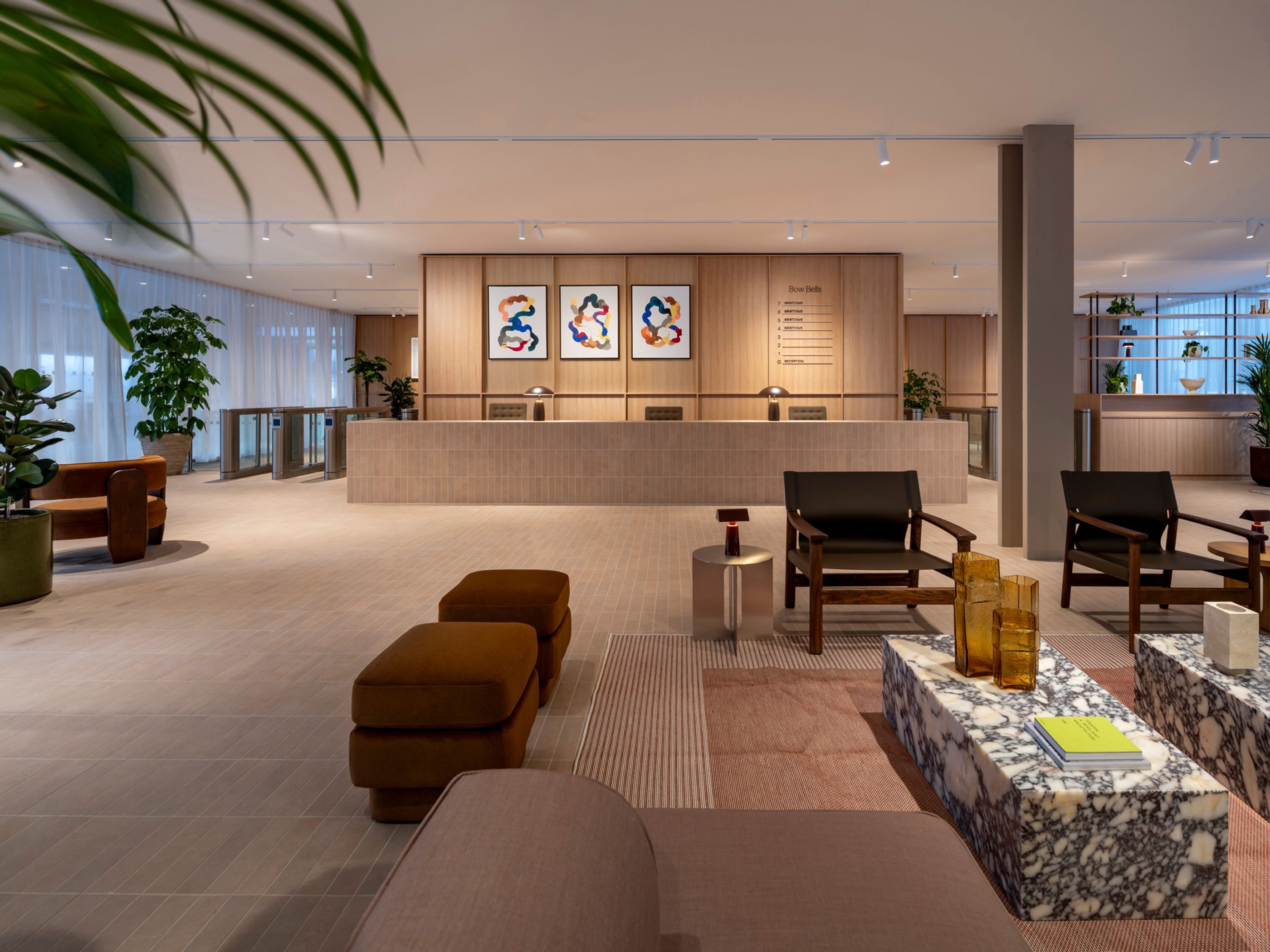
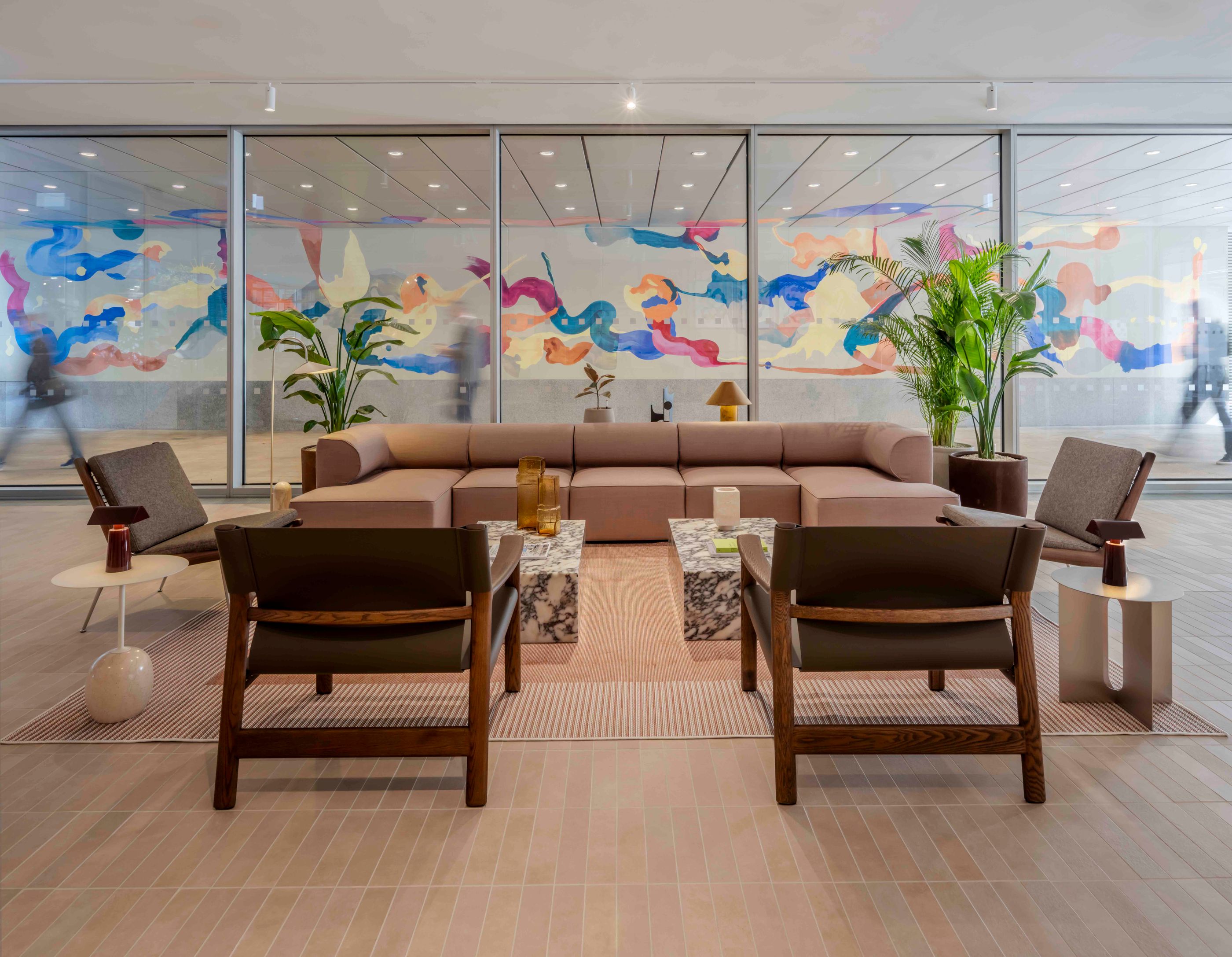
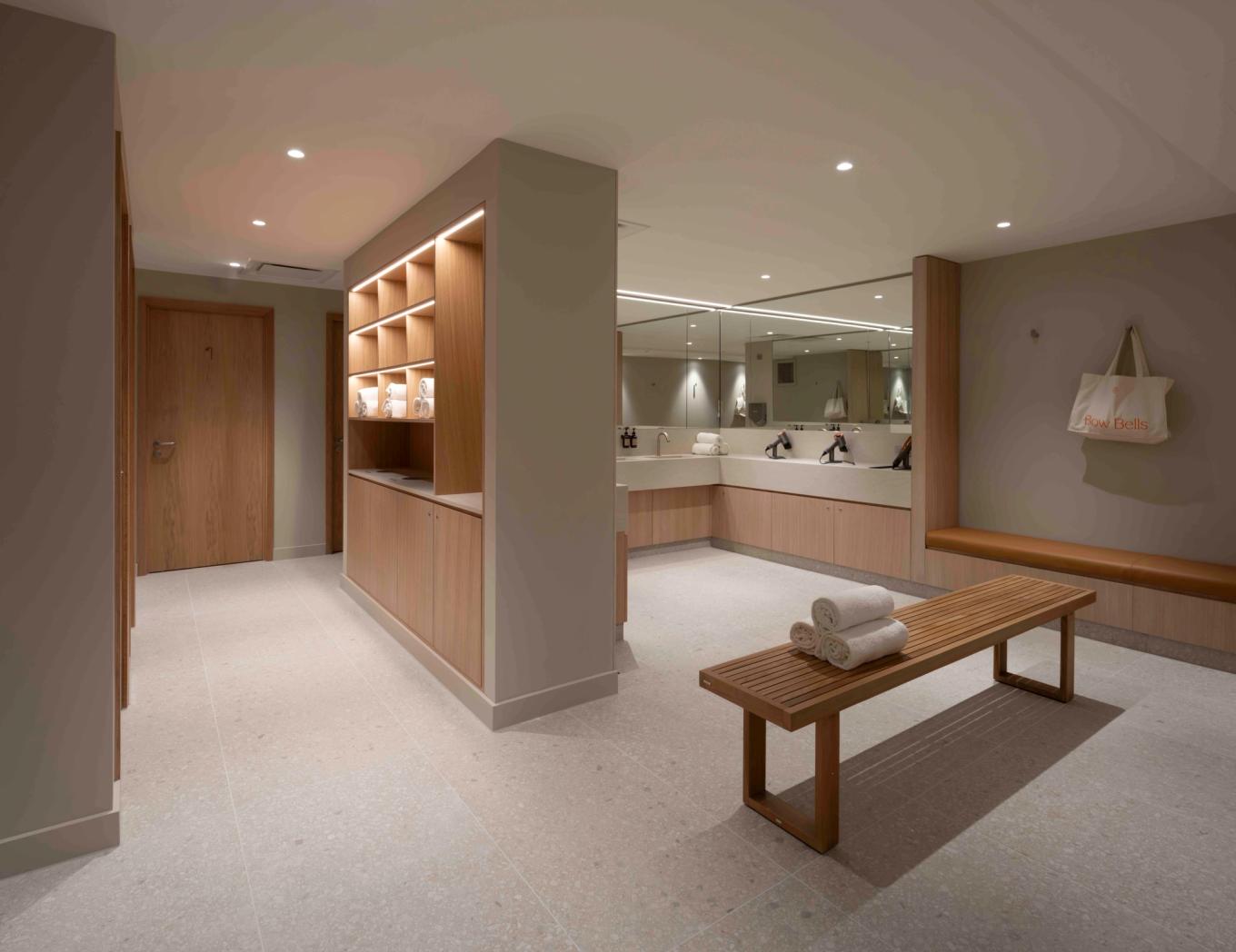
The objective was to reposition the asset by improving its environmental performance, enhancing the occupier experience and extending its long-term commercial value. Works included comprehensively refurbished reception and core areas, a new business lounge and best-in-class end-of-journey facilities, alongside roof terrace enhancements, modernised passenger lifts and fully refurbished office floors.
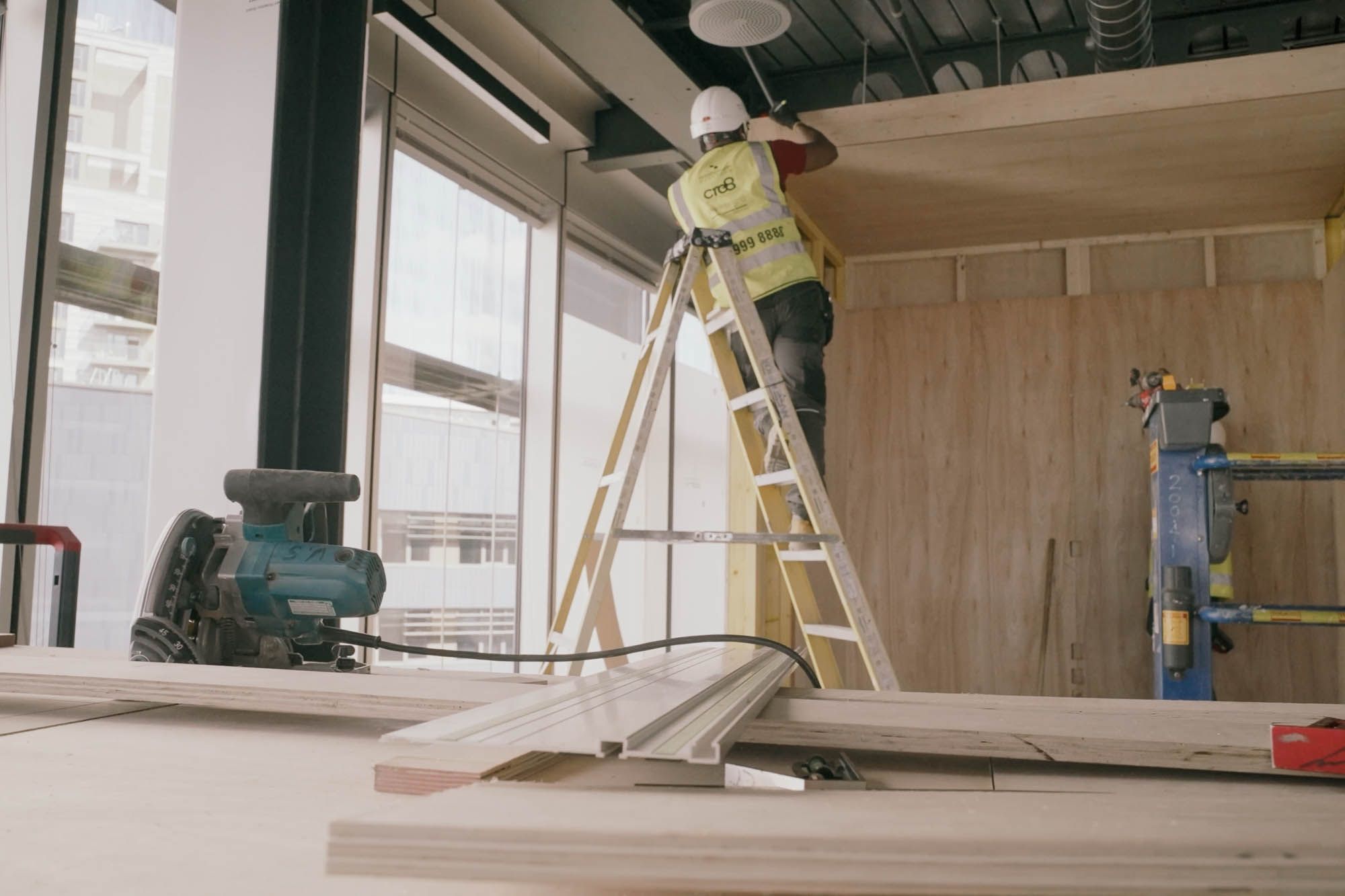
Being part of the team from Stage 2 meant buildability, procurement and scheduling were live considerations throughout design development, not retrospective checks. Potential challenges were caught early. Alternatives were explored while there was still room to act on them.
Commercial Certainty
Large-scale retrofit projects rarely stand still. Scope evolves, technical requirements shift and priorities change. The objective is not to eliminate that change, but to understand its cost impact before it becomes a problem.
At Bow Bells, the tender was priced at Stage 2 against a brief that included major EPC upgrades and the full electrification of the central plant from the outset. By the time the design had progressed through Stage 4, the cost movement across that entire period of development was minimal.
That is not accidental. It is the direct result of understanding cost consequences as decisions were being made, not after. For a developer managing investor expectations, that kind of predictability matters. It is the difference between a project that holds its business case and one that requires difficult conversations mid-programme.
Decarbonisation Is a Delivery Challenge, Not Just a Design One
EPC ratings are no longer a compliance footnote. Occupiers are using them to make leasing decisions. Investors are using them to assess asset risk. Improving energy performance has moved from a consideration to a commercial imperative.
At Bow Bells, the target was to improve the EPC rating from C to B, with a clear pathway to A. Getting there required removing the central gas-fired plant entirely and replacing it with an all-electric solution. That meant three separate weekend crane operations to install new air source heat pumps, alongside LED lighting introduced throughout the building.
A full plant electrification has consequences that go well beyond the drawing board. The logistics, sequencing and procurement lead times are substantial. Being involved from Stage 2 meant those factors were planned for before they had the chance to become critical path risks. The pathway to an A rating is now clearly defined, with the infrastructure in place to support it.
The Bottom Line
Most developers we speak to come to us once the design is largely done. That is understandable. It feels like the logical sequence.
But the projects that go smoothly, stay on budget and deliver against their original ambitions are almost always the ones where that conversation happened earlier.
If you have a retrofit project in planning, we would welcome an early conversation. That is exactly where we add the most value.